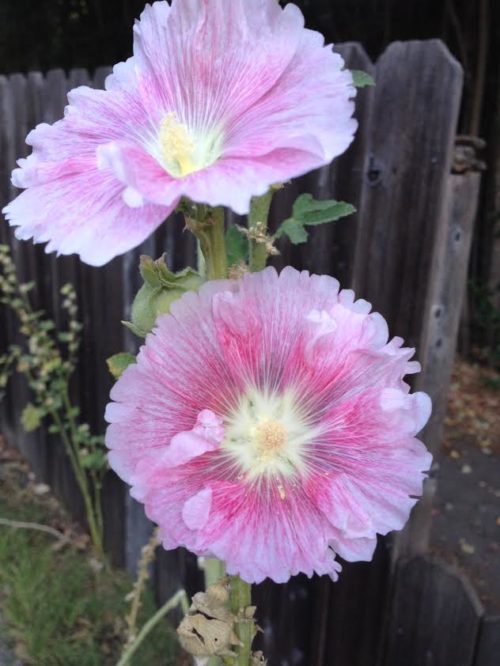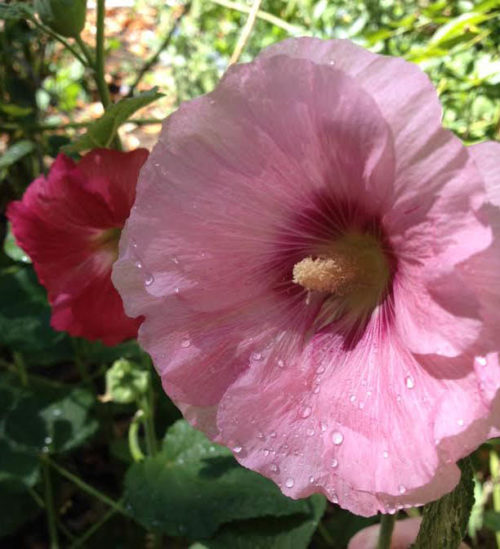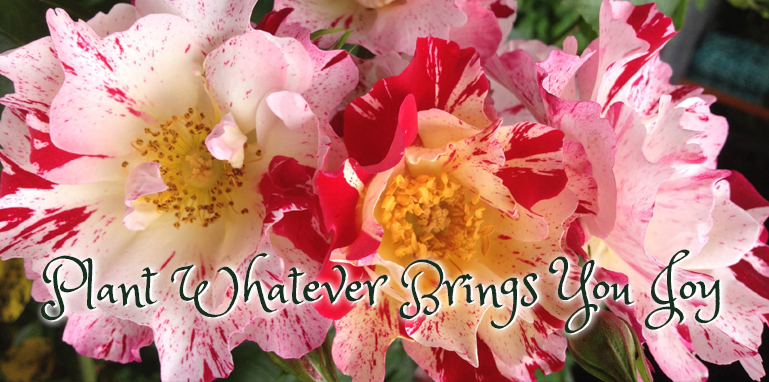
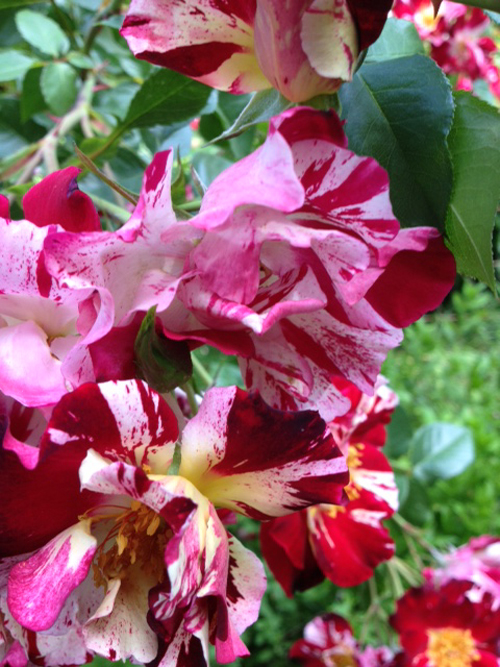
4th of July roses
For years now I have been pruning the roses without pulling off the rose hips, thinking vaguely of what I might be tossing away of value, but imagining myself too busy to explore and process, all the while ignoring old hippy wisdom that treasures rose hip tea. But not this year! I had researched sufficiently to know to harvest them “after the first frost” and conveniently there have been two mild frosts this month, so I had determined that Thanksgiving weekend might be an opportune time to finally get to the rose hips. Happily, the weather cooperated, by offering a before dawn sprinkle, and a mix of fog and gentle sun the rest of the morning.
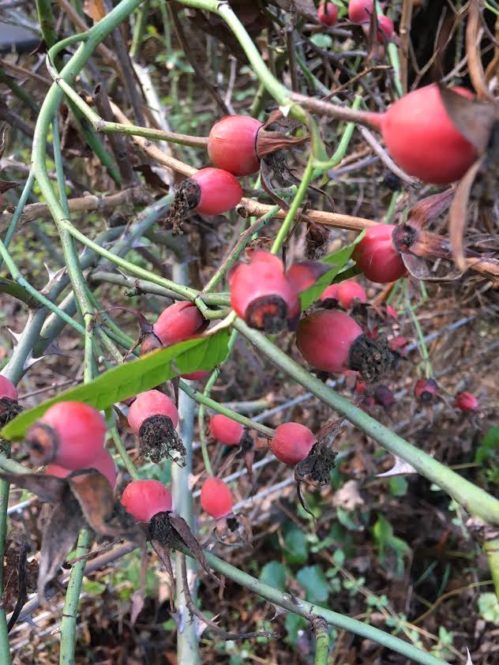
rose hips
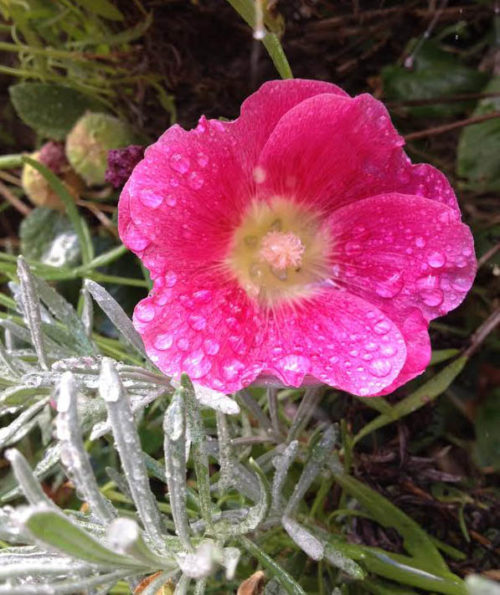
My 4th of July rosebush is quite mature now, and is an abundant source of hips without resorting to harvesting a single other rose in my garden (though I am thinking of adding a few from the heirloom arbor rose, simply for variety and the added experience). It was a simple enough task of cutting off the rose hips from the bush with a small pruner. What a joy to know they are organic and pesticide-free! I then brought them inside, washed them off thoroughly, and pulled off the “tails”.
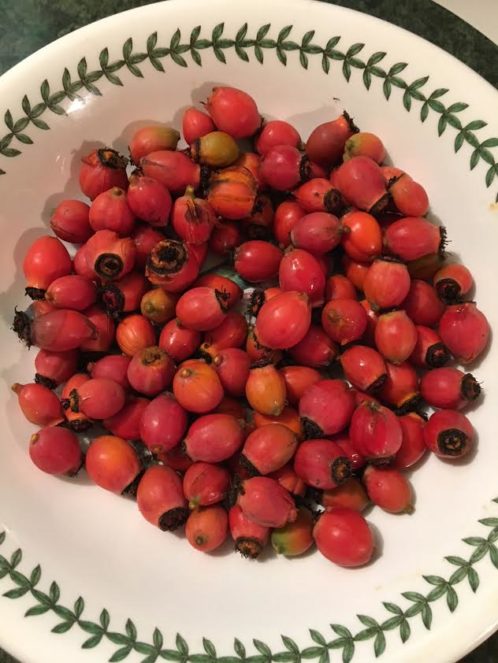
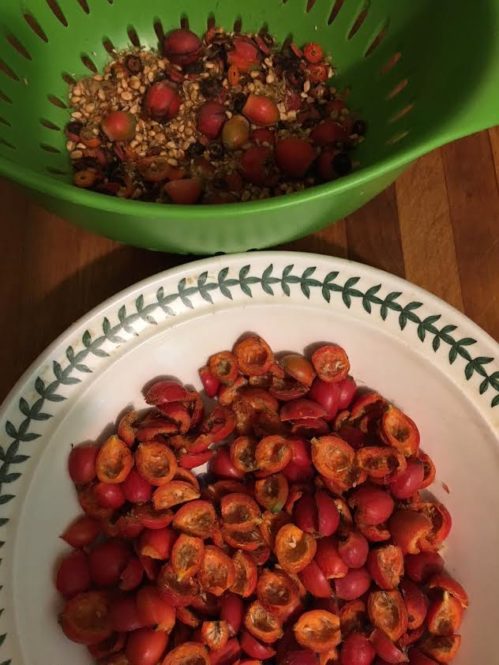
Ideally the next step is a task you might want to do with someone else helping, while chatting over tea as this is the most time-consuming part. For you need to cut off the top and bottom of each hip on a cutting board.* Then cut each hip in half. This is the easy part. And then you need to remove the seeds and fuzz inside each seed. Fortunately my nails are long, strong and clean as I really did resort to digging out the seeds with my nails. It was very basic and I rather enjoyed it in a primitive kind of way. I knew I was reconnecting with a long valued human skill not often relied upon as in earlier times. And I must warn you that the fuzz on the inside of these seeds can be a teeny bit prickly to the skin. I can easily see why it’s recommended that you do remove it, as it can be “an irritant to the stomach.” So just be mindful of it. Scrape it away from you as it accumulates on your cutting board. Or wash it off periodically, to avoid contact with it. Also, be sure to toss any hips that are split, too dark or mushy, or, underripened. So out go the seeds and fuzz from each hip. And you are left with these wonderful treasures, rich in vitamins C and A, in iron, magnesium and calcium. My original harvest left me with just one cup.
“In ancient Anglo-Saxon tradition, rose hips were strung together and worn by the hopeful to attract love. Legend has it that raiding Vikings fortified themselves with these berry-like fruits while invading foreign lands. During World War II, British children took doses of rose hip syrup when fresh foods were scarce.” ~ Traditional Medicinals
And now it’s time to dry them. I set my dehydrator at 135°F., the fruit setting, and dried mine for six hours.
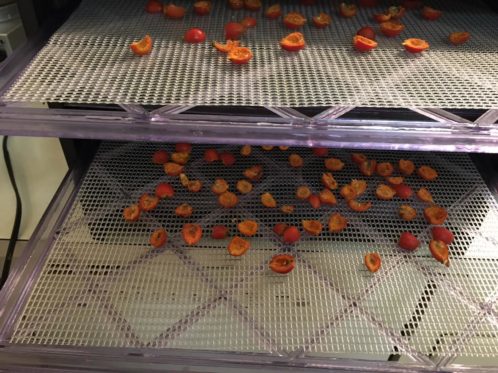
Final result:
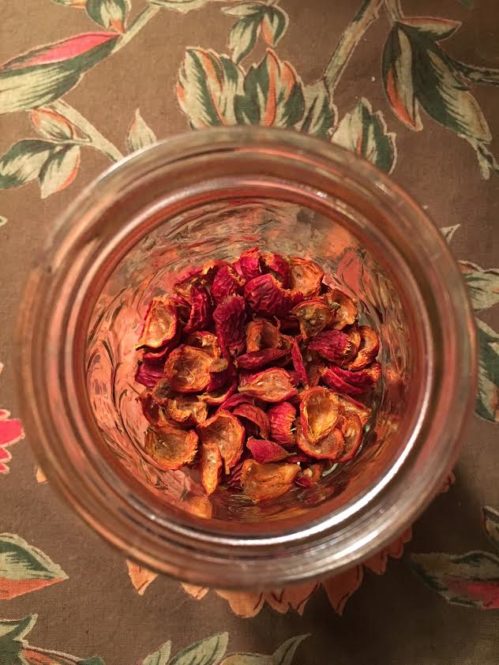
dried rose hips
To make rose hip tea simply use 2 teaspoons dried hips per cup of boiling water and allow to steep for 15 minutes, then add a bit of honey. I intend to mix some of my hips with hibiscus, as is commonly done. It is a marvelous hot drink you will fully enjoy to help stave off the chill of this time of year. You can store the hips in a glass jar in a cool, dark place for months. Or seal tightly and freeze indefinitely.
I would love to hear of your rose hip adventures in your kitchen! Anyone ventured into rose hip jelly or syrup?
Love and gardening blessings,
Kathryn xoxo
*The British call this “topping and tailing”! 🙂
11/29/2017: Adding this tip, which I just discovered! It’s a good idea to do the topping and tailing of each hip on one day, and then dig out the seeds on the following day, when they’ve had a chance to air dry just a bit. #learning #refining
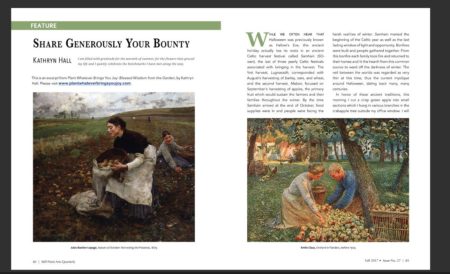
Book/blog News: So pleased that an excerpt from Plant Whatever Brings You Joy is included in the November issue of that beautiful publication out of North Carolina, one of my favorites, Western North Carolina Woman. It’s available online as well as stores in the deep South. Also, exciting that news of this blogger and blog was recently featured in Reader’s Digest, in a story on the value of being a horticulturist/gardener. Lastly, please watch for an upcoming book giveaway on this blog of copies of the new Bunny Mellon biography! Details soon!
Posted on November 24th, 2017 by Kathryn
Filed under: Plants | 6 Comments »